
To honor the men and women who flew and trained at Luke Field, Arizona, during World War II.
87th Sub-Depot HQ & Supply
The 87th Sub-Depot was a very important part of what made Luke Field run. Located at the north end of Luke Field, one of its major tasks was supplying anything that was associated with flying aircraft, including aircraft parts. One of its other major tasks was all non-flight line (read non-flying squadron) maintenance to include what is now considered intermediate maintenance and various aspects of depot maintenance. Its last major task was somewhat hidden in the folds of the other two tasks, that of managing and tracking the flow of supply parts, repaired parts, and the maintenance workflow of its many functions. While some military worked at the 87th Sub-Depot, most of the workforce was civilian workers, including many women.
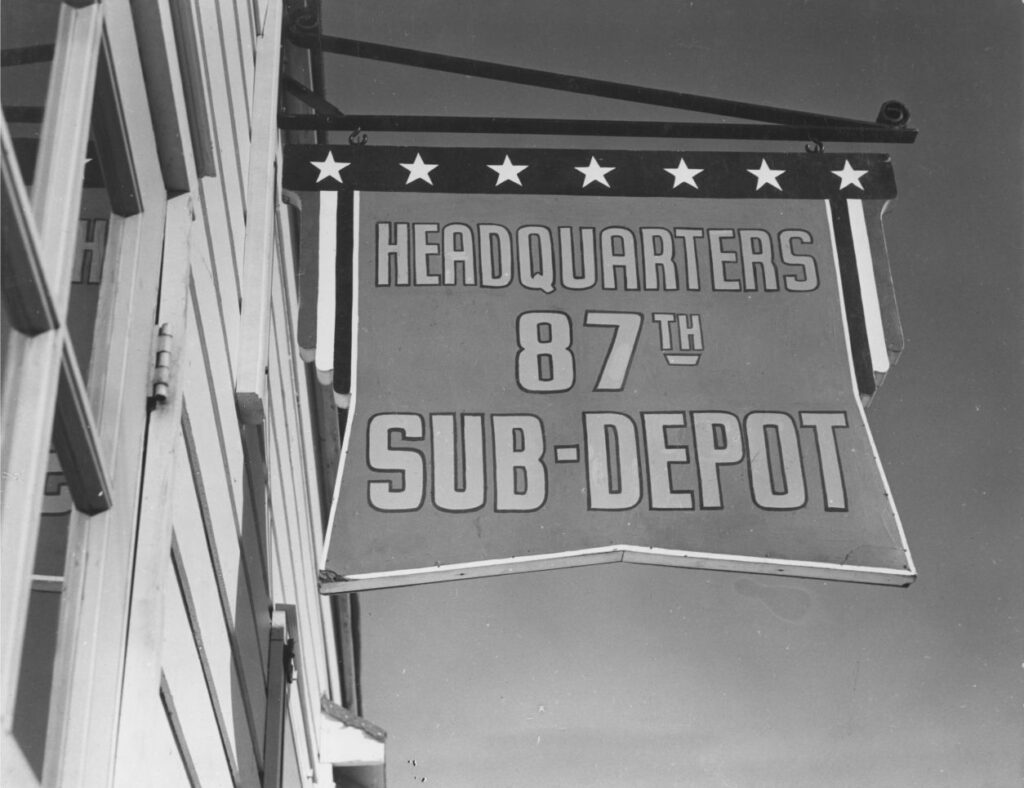
An unknown number of buildings housed the 87th Sub-Depot. This sign hung outside the building that housed the Headquarters Section, which included the commanding officer’s office. The rest of the building was used by Supply as a Warehouse #1. (Luke Field Photographic Section)
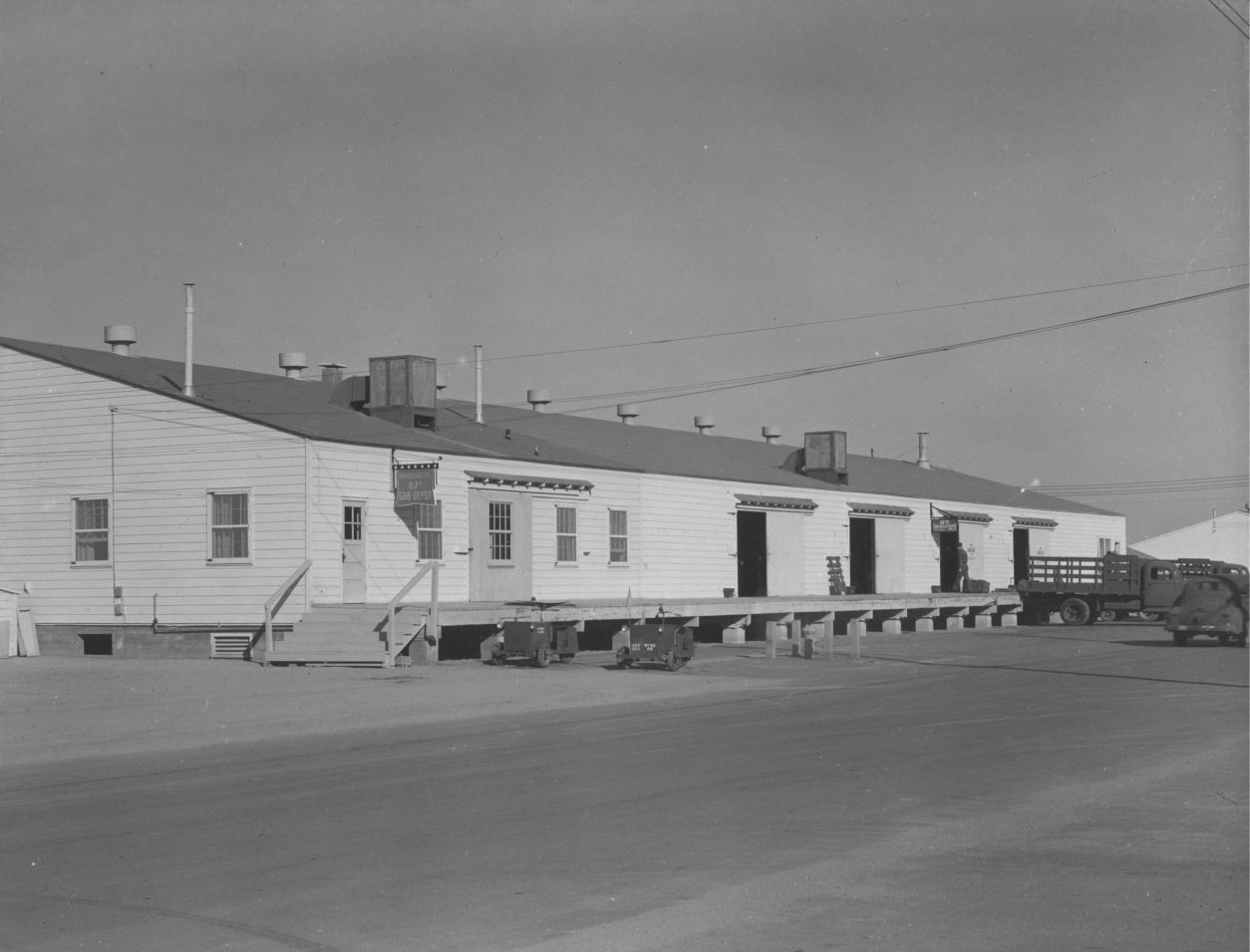
The 87th Sub-Depot commander’s office was on the end of the extra-large warehouse, which was on B Street of Luke Field. It also housed other functions. (Luke Field Photographic Section)
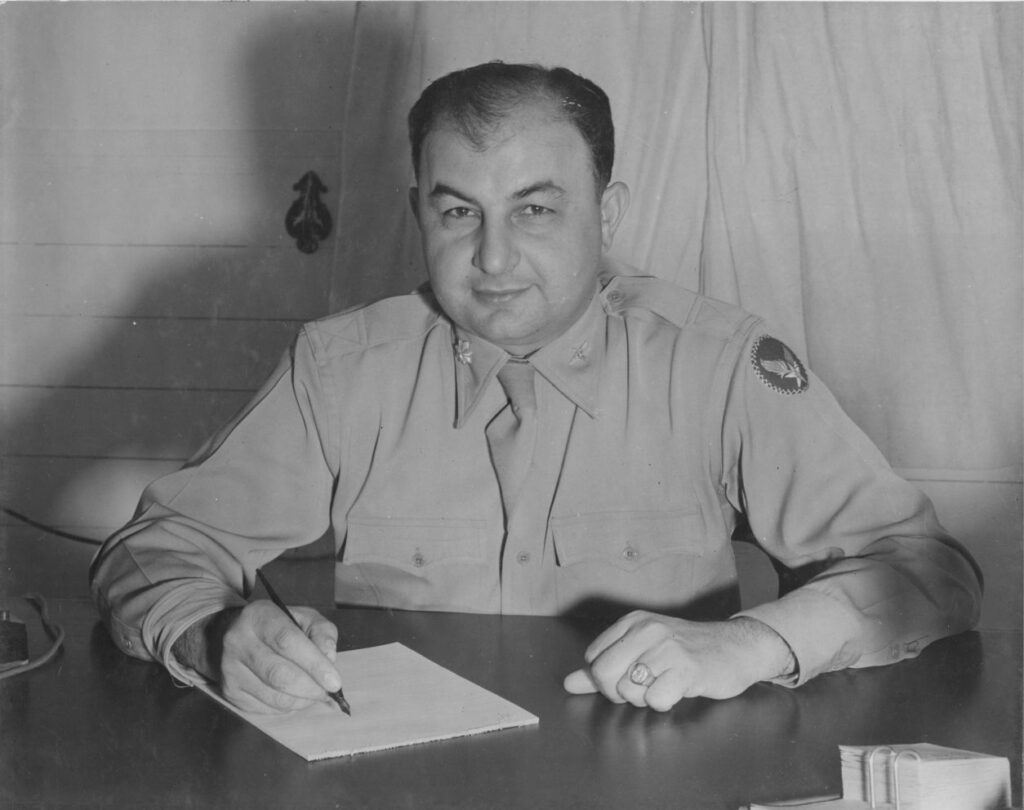
At the end of the war, Lt. Col. Joe H. Ashy commanded the 87th Sub-Depot at Luke Field. He was a 1929 graduate of Texas A&M, who did not have flying wings. It is unclear how long Ashy was at Luke Field, or where he was prior to his assignment at Luke Field. (Luke Field Photographic Section)
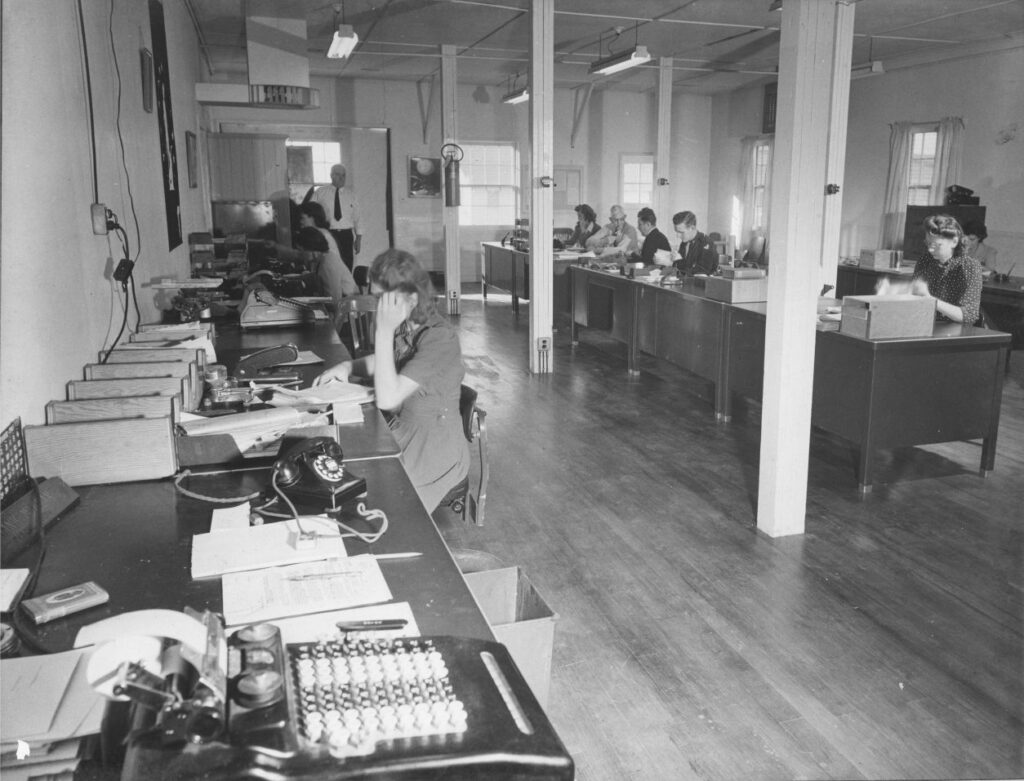
Inside the Headquarters of the 87th Sub-Depot, several people are hard at work. Working with paper always required more people than today to produce and file the paperwork required to run the sub-depot. In the foreground is an adding machine, most likely the Burroughs Electric Adding Machine Series P, with the cover removed exposing the ribbon spools that held the inked fabric ribbon. There appears to be another adding machine a couple of desks over. (Luke Field Photographic Section)
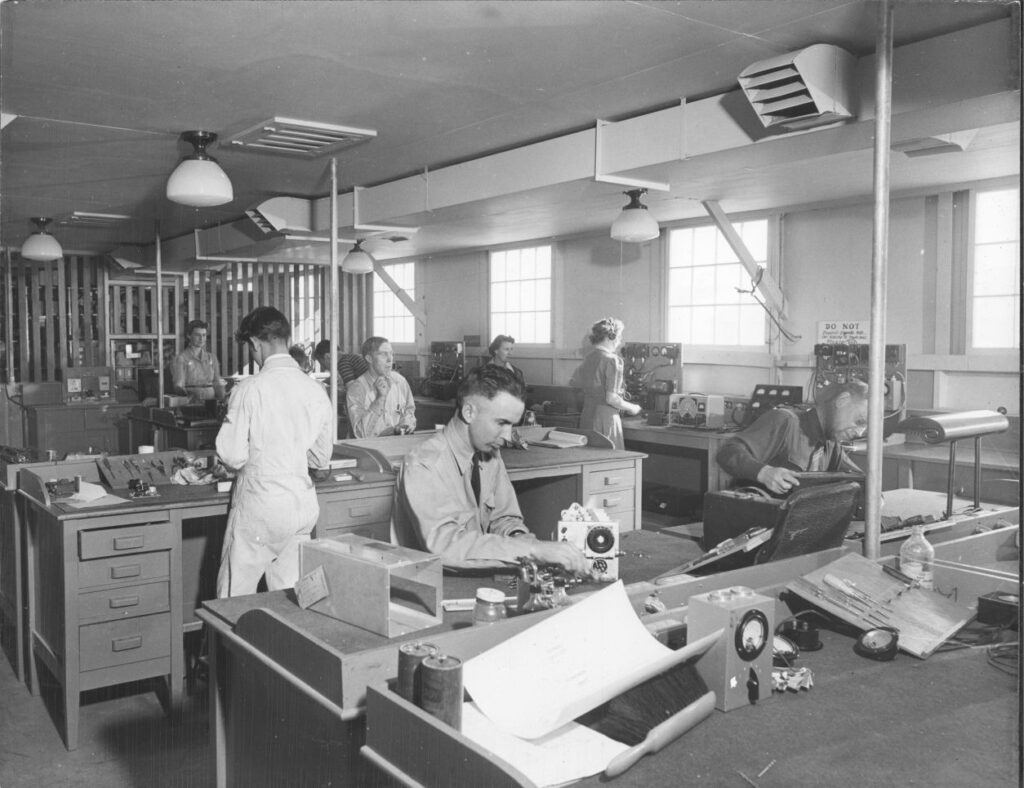
The Signal Section of the 87th Sub-Depot inspected and repaired various electronic and physical system to allow pilots to communicate with each other and the ground controllers. (Luke Field Photographic Section)
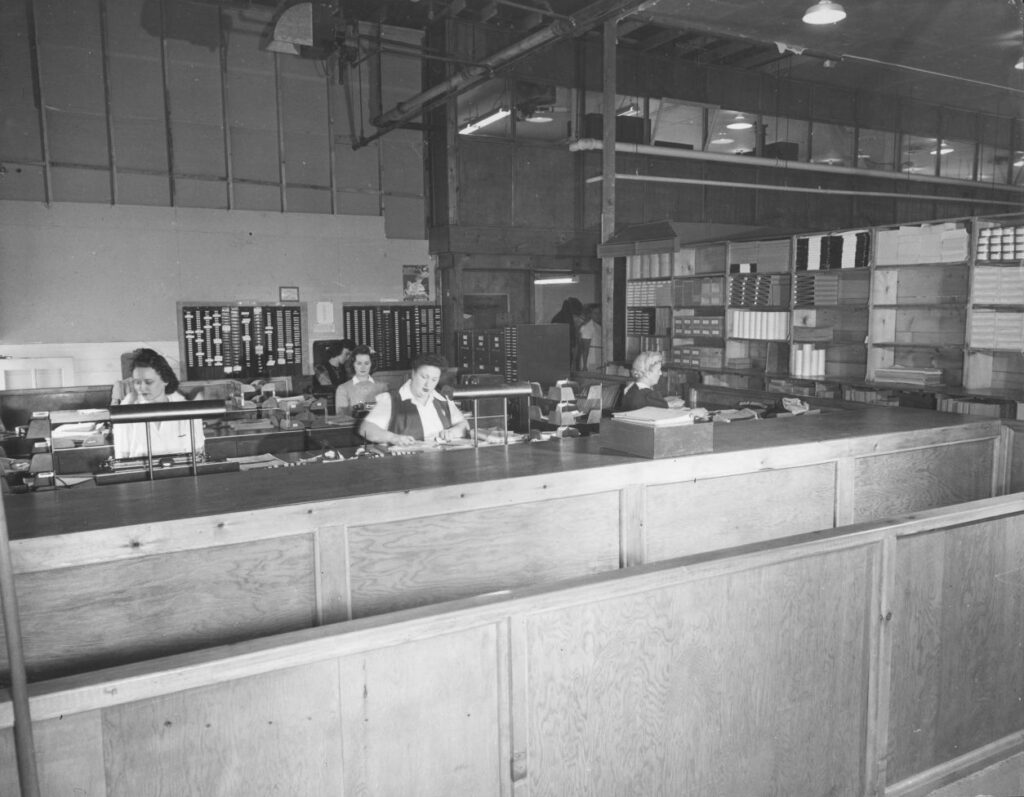
Part of Warehouse #1 was the Memorandum Receipt Section, art of the supply system, where these six ladies worked. For those counting, there is one lady partially hidden behind the lady on the left. (Luke Field Photographic Section).
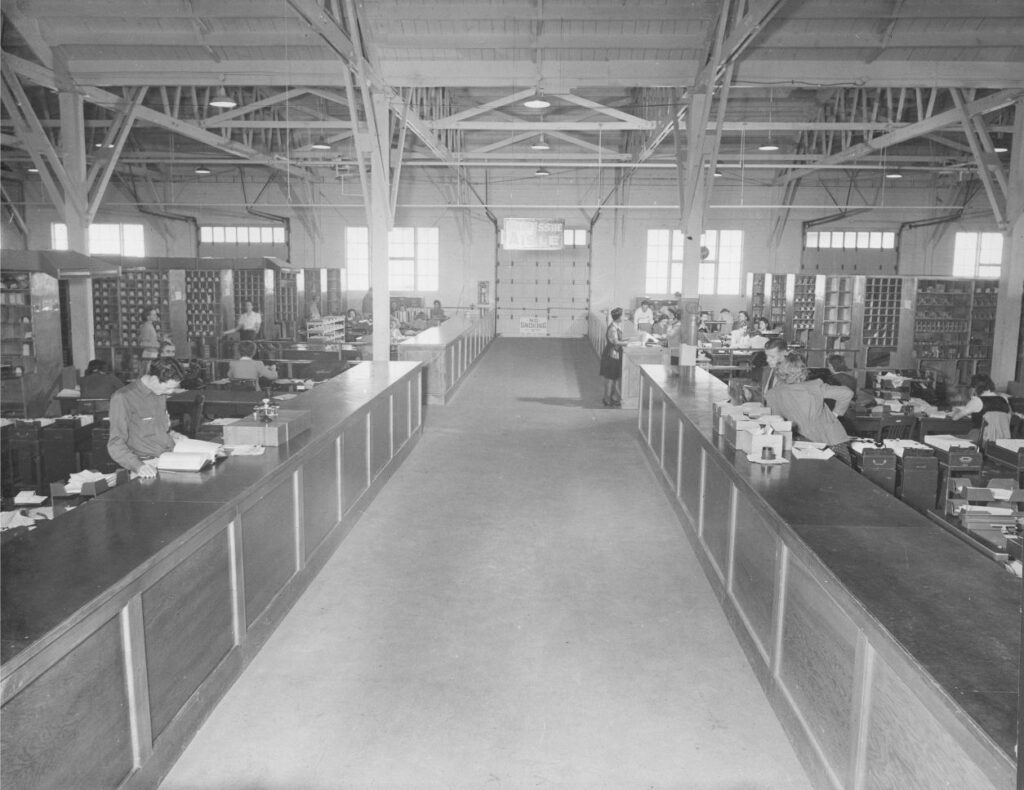
The Main Issue Aisle in Warehouse #1, was a major supply hub for most smaller items. Along the Main Issue Aisle were the supply clerks and behind them were rows of supply bins. Each row had bins of various sizes on both sides. Depending upon what item someone needed, the clerks went to the appropriate bin. (Luke Field Photographic Section)
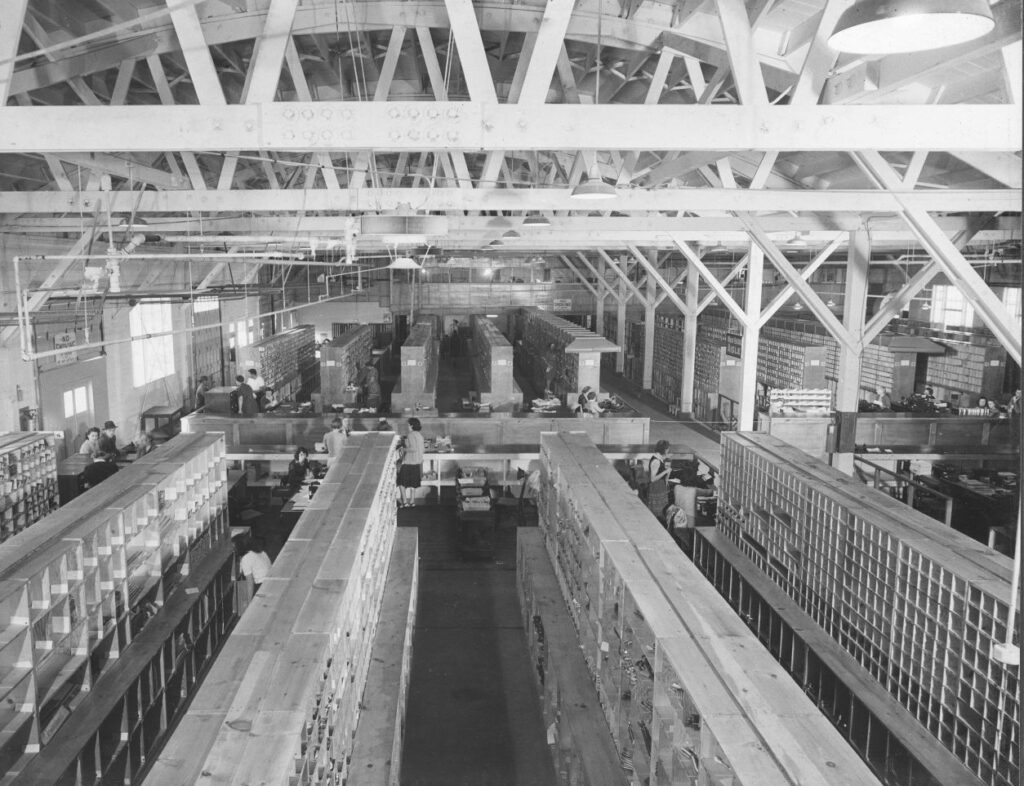
Here is another view of Warehouse #1, showing how large the facility was. On the far end was a mezzanine that held some offices. (Luke Field Photographic Section)
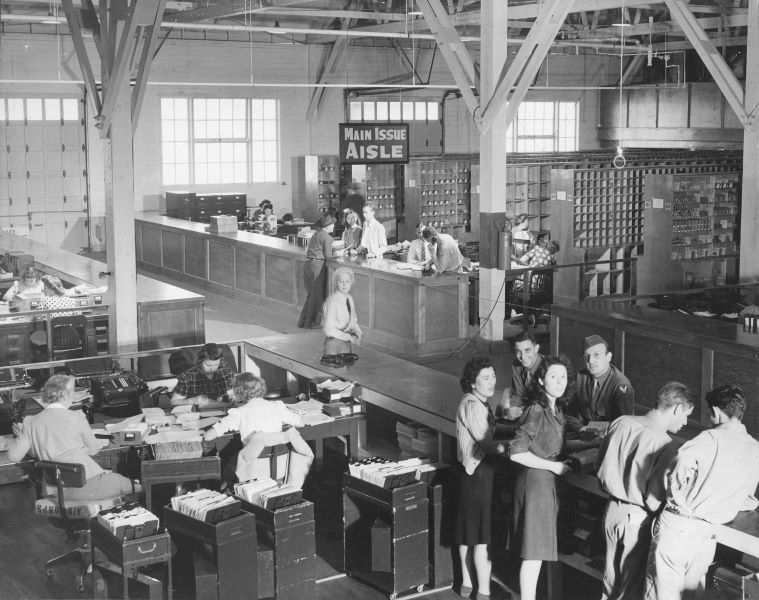
In the foreground of Main Issue Aisle in Warehouse #1, is the Accounting Unit. (Luke Field Photographic Section)
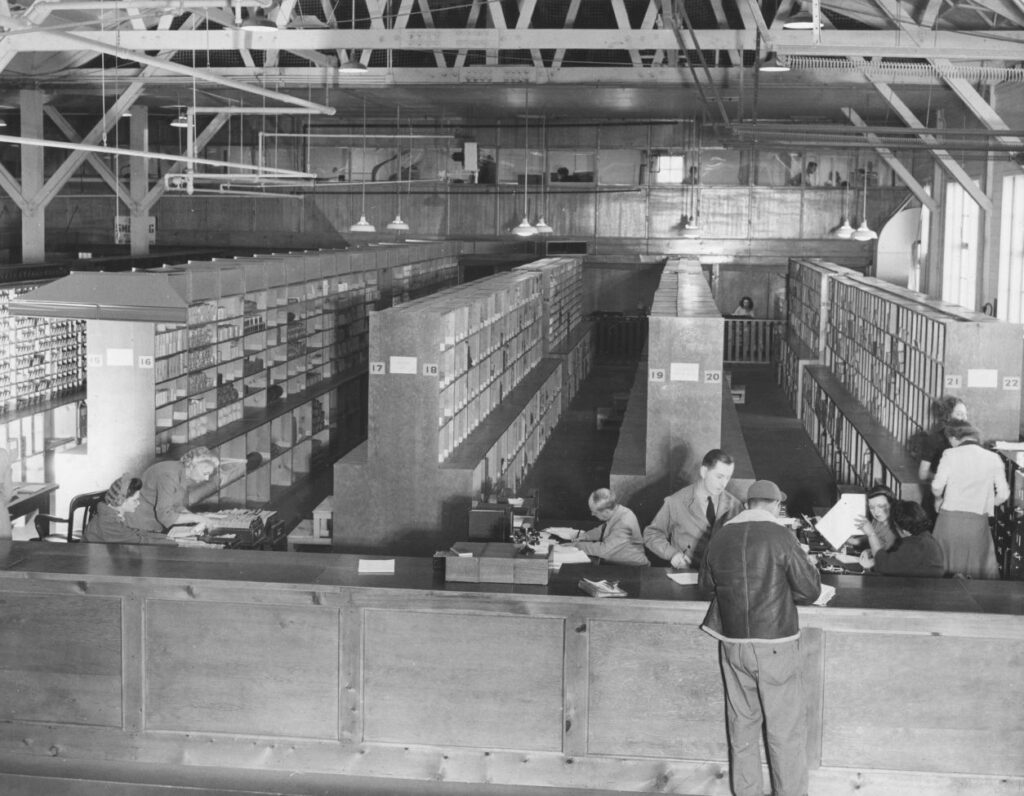
The U.S. Army used and still uses supply classes to categorize similar items together. The WWII supply classes no longer match the current supply classes. This Photo contains supply classes 04, 05, and 21. Today, there are only 10 supply classes used. For instance, supply class 05 is now ammunition. For safety, it is unlikely they stored ammunition is as open a warehouse like this one. (Luke Field Photographic Section)
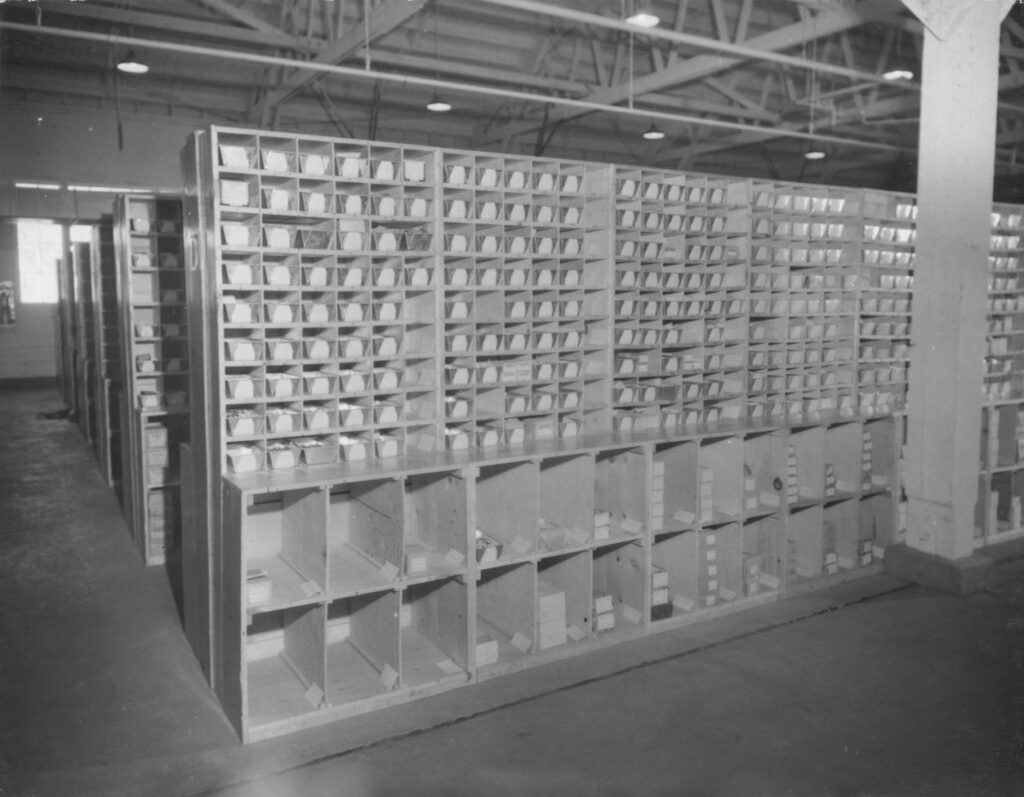
These bins contain supply class 03. Today, supply class 3 is Petroleum, Oils, and Lubricants (POL). (Luke Field Photographic Section)
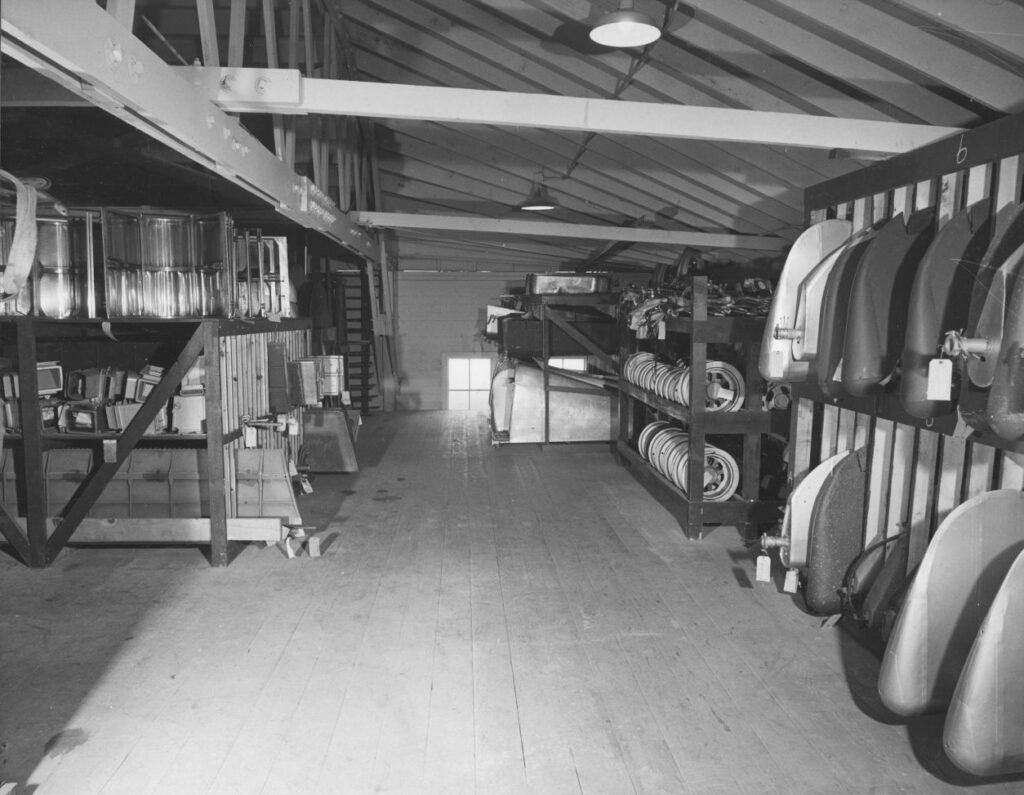
In the Storage Balcony of Warehouse #1, the supply folks stored flight control surfaces on the far right, aircraft wheels on the right, and canopies on the upper shelf on the left. (Luke Field Photographic Section)
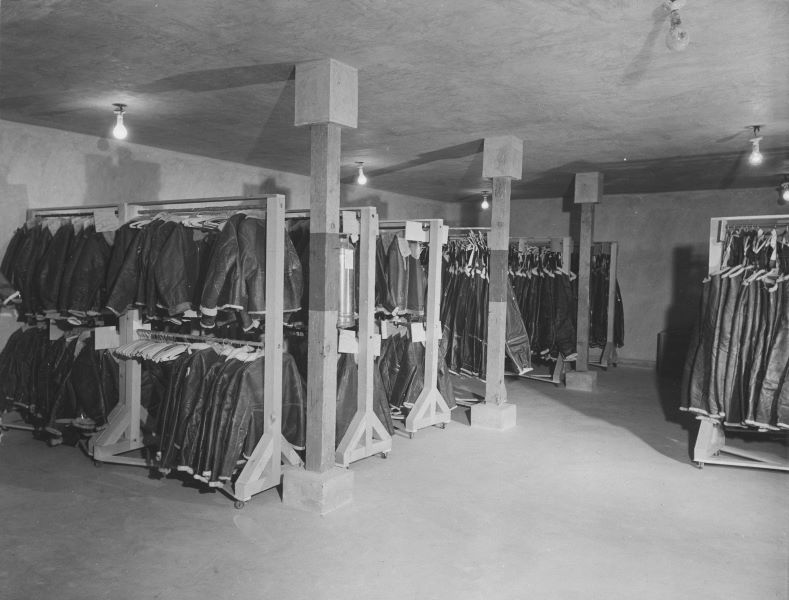
Warehouse #2 was in a different smaller building on Luke Field. One of its main functions was in the Refrigerated Room where they stored the student’s and pilot’s cold weather clothing. The room was refrigerated so the men could try on the clothing in relative comfort. (Luke Field Photographic Section)
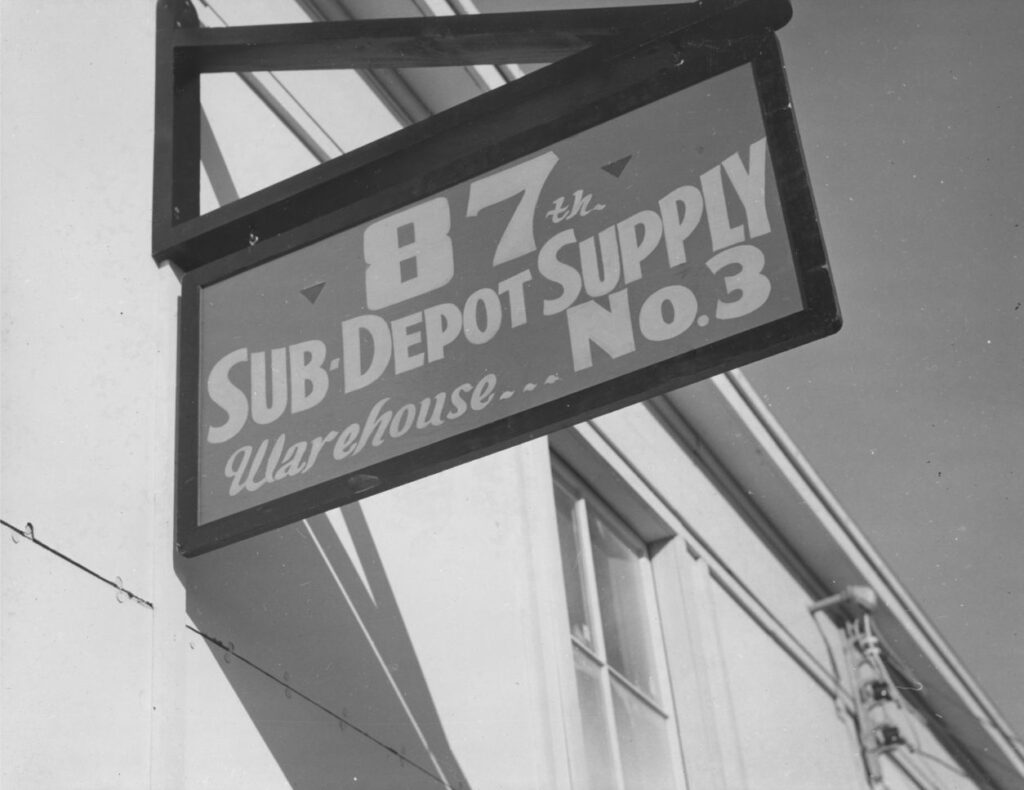
Another small warehouse was Warehouse #3. It held a number of items including raw metal stock on the left. (Luke Field Photographic Section)
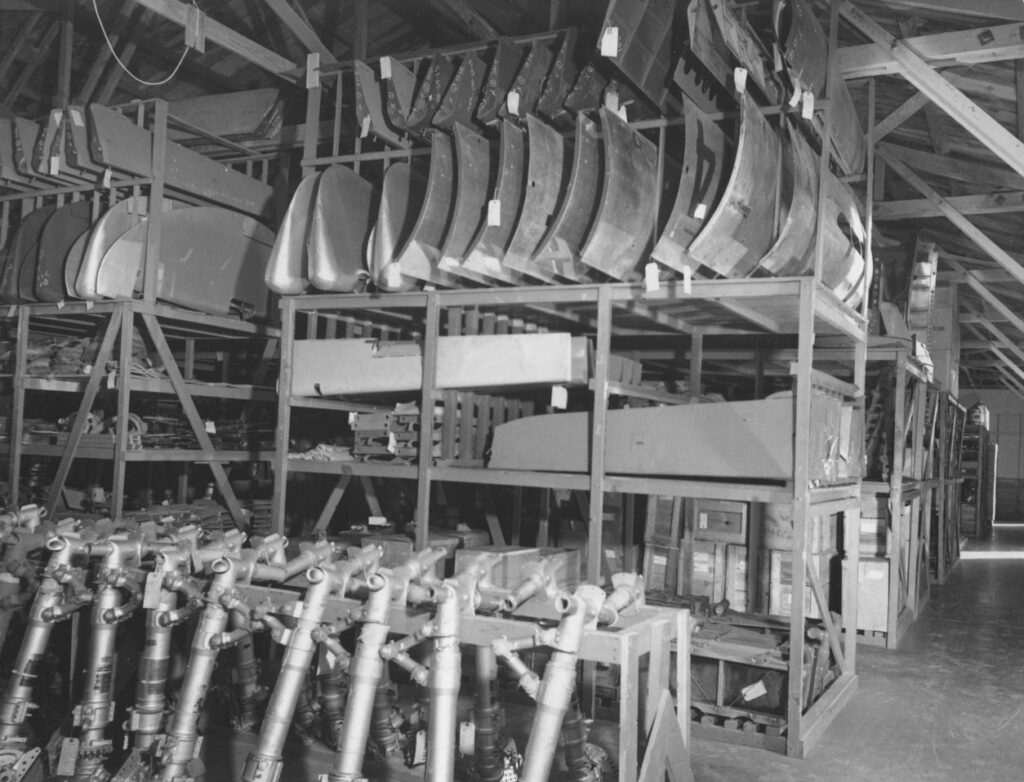
Warehouse #3 also held larger aircraft parts. Some of those parts would have been new, but many were repaired on Luke Field. On the top of the racks housed aircraft flight control surfaces and various aircraft panels/cowlings. In the foreground are a number of land gear parts. (Luke Field Photographic Section)
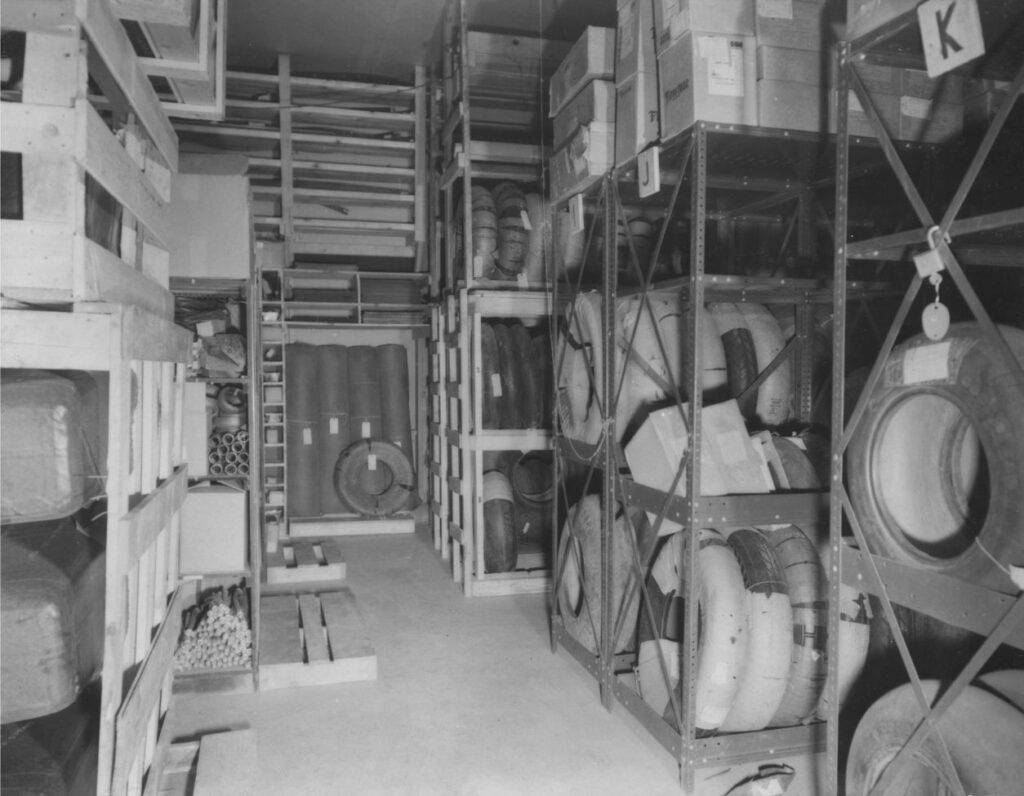
Warehouse #3 also held tires, probably both aircraft and vehicle tires. (Luke Field Photographic Section)
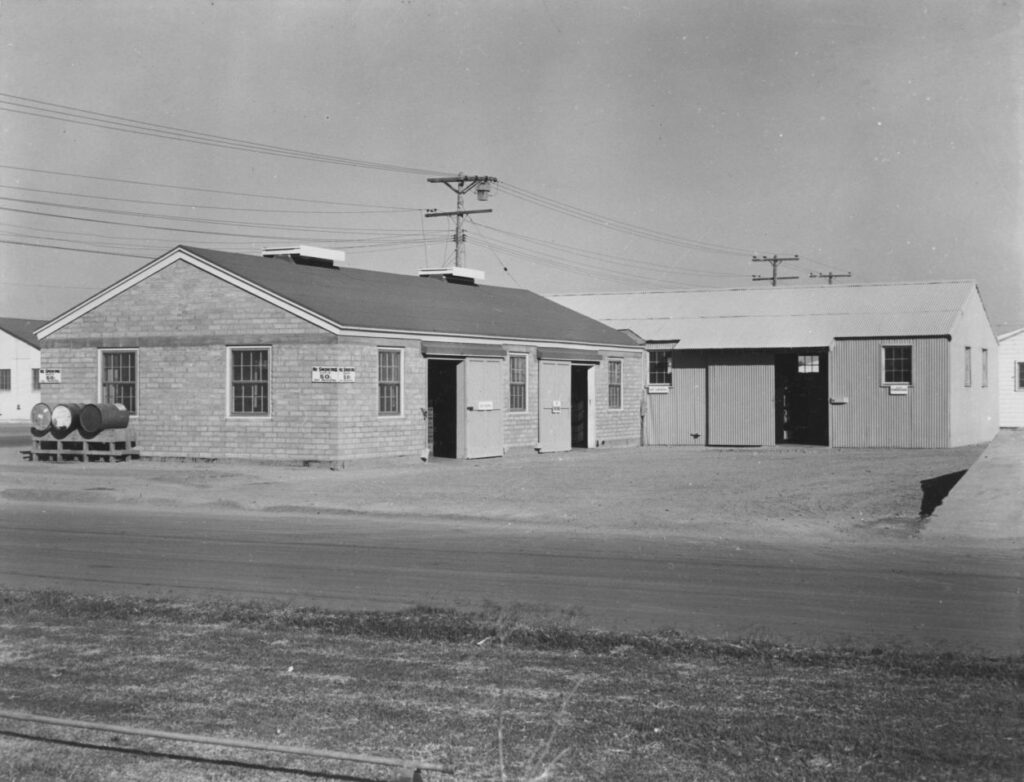
Warehouse #4 stored paint and dope, both highly flammable materials. Notice the number of No Smoking signs and the brick construction on the left, when most other builds were made of wood or sheet metal. The reason was an effort to reduce the likelihood of a fire and resulting explosion in the building. (Luke Field Photographic Section)
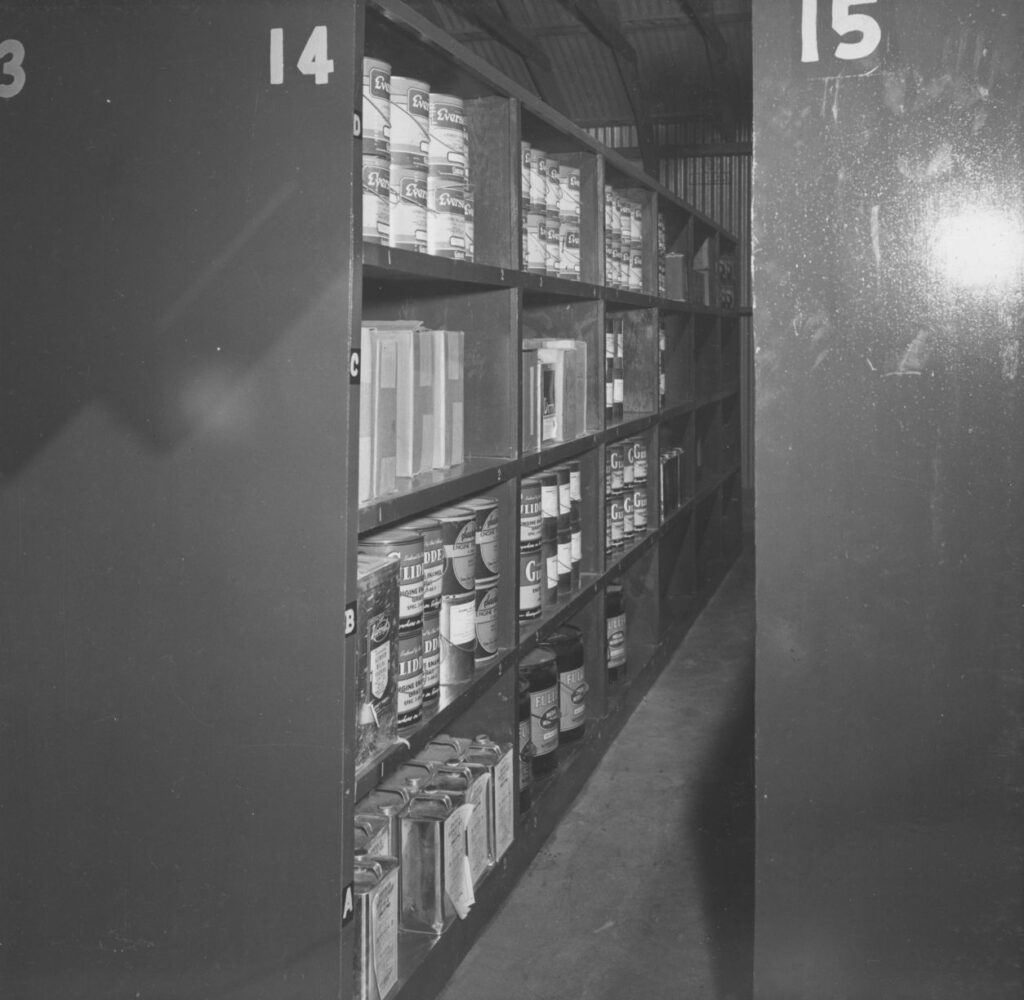
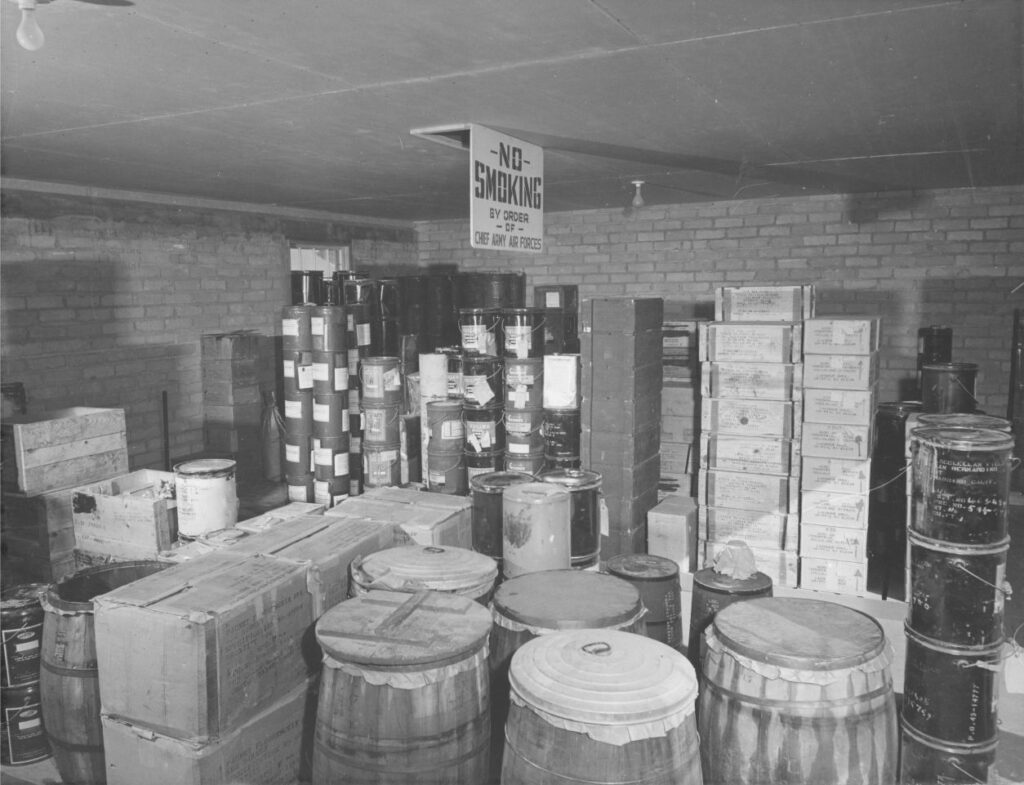
Another small warehouse was Warehouse #3.These two photos show some of the contents of Warehouse #4. The readable labels state those containers held paint and lacquer. (Luke Field Photographic Section) It held a number of items including raw metal stock on the left. (Luke Field Photographic Section)
This concludes the Headquarters and Supply function of the 87th Sub-Depot at Luke Field. Photos of the Maintenance function is at